 bg
bg
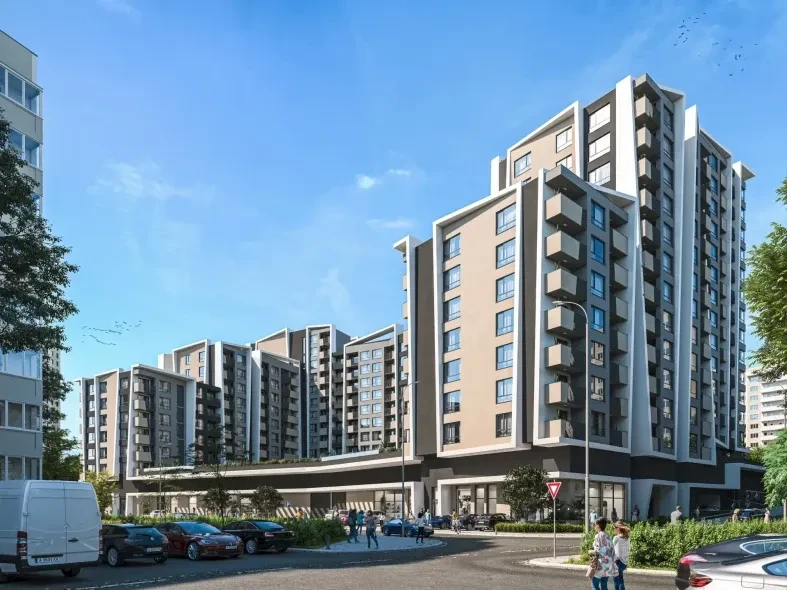
This article outlines the five most common hidden defects that become visible only during a careful viewing and explains how to recognise them. The purpose is not to scare the buyer, but to give them a practical eye for the difference between a quality building and one that only looks finished. A good viewing saves expensive surprises after moving in.
Why the Viewing Is Critical for New Builds by the Sea
The coastal climate reveals weaknesses earlier. Humidity, salt and sharp temperature changes put more pressure on the facade, windows and installations than inland conditions. A defect that might appear after years in another city can show up much faster by the sea. That is why a careful viewing in Burgas is not a formality, but real protection for the investment.
The viewing is also the moment when the buyer compares what was promised with what has been delivered. The quality of details - joints, corners, seals - shows the developer’s attitude towards the whole building. If the visible places are well finished, the hidden ones usually are too. If rushed decisions are visible, the questions to the developer should become more specific.
Defect 1: Moisture and Signs of Leaks
Moisture is the number-one enemy by the sea. Stains on the ceiling, darkened corners or peeling plaster can signal water penetration or condensation. In a new building, such traces should not be present, so each one deserves a question to the developer.
What to look at
Inspect the corners near the ceiling and floor, the areas around windows, and the walls facing the facade. Yellowish stains, bubbles in the paint or a smell of dampness can reveal a problem even if it has been covered with a fresh coat of paint. A new colour only in one small place sometimes hides exactly what you need to see. Also check bathrooms and wet areas, where waterproofing is critical.
Why it is more serious by the sea
The high air humidity in Burgas makes every leak more persistent, while salty air accelerates the deterioration of materials. Moisture left untreated leads to mould and health problems, not only to cosmetic damage. For the broader logic of how climate shapes construction, see the article on coastal climate and facade materials.
Defect 2: Poorly Sealed and Low-Quality Windows
The windows are the first line of defence against the coastal air. A poorly sealed or low-quality profile lets in air, noise and moisture, and directly increases the bill in both summer and winter. During a viewing, windows are easy to check if you know what to look for.
Quick checks on site
Open and close every sash. The movement should be smooth and the closing should be tight. Run your hand along the frame to feel for draughts when the window is closed. Inspect the seals for gaps and look at the quality of the installation around the frame. Fogged glass inside the glazing unit suggests a failed sealed unit. Misaligned windows that close with effort are a sign of rushed installation.
Why quality here is critical
Salty air puts more pressure on mechanisms and seals than dry inland air. Quality windows protect from noise, moisture and heat loss for years, while weak ones wear faster and require replacement. In a seaside city, this is not a cosmetic item. It determines both comfort and the long-term cost of living.
Defect 3: Cracks, Thermal Bridges and Uneven Plaster
Walls tell the story of construction quality. Fine cracks, uneven plaster or cold corners may point to rushed work or execution gaps. Some are harmless, while others indicate a more serious issue, so it is worth telling the difference.
Which cracks are worrying
Hairline cracks in plaster can be normal as a building settles. More worrying are wider cracks, diagonal cracks, and those that run through corners or around openings. Look at the walls from the side under natural light, because side light reveals unevenness that frontal lighting hides. Bulges or waves in plaster suggest careless execution.
Thermal bridges and cold zones
A thermal bridge is a place where the insulation is interrupted and heat passes through more easily, often at balconies, corners or connections between building elements. During a viewing, these areas can feel colder to the touch and are a frequent cause of condensation and moisture. Their presence shows a detail-level problem that later leads to stains and higher heating costs.
Defect 4: Weak Sound Insulation and Missing Ventilation
What cannot be seen can be heard and smelled. Sound insulation and ventilation are not obvious in photos, but they define everyday comfort. Weak sound insulation allows noise from neighbours and the street to pass through, while poor ventilation traps moisture and leads to mould, especially in a tight new building by the sea.
How to check noise during a viewing
Pause for a moment and listen. Can you hear the corridor, the lift or the neighbouring apartment? Knock lightly on the walls to feel whether they are solid or hollow. Pay attention to the entrance door and the walls facing the common areas, because noise often enters from there. A quiet apartment during a proper viewing is more likely to remain quiet after moving in.
Ventilation and mould risk
Ask how bathrooms and the kitchen are ventilated and whether there is a fresh-air supply. In a tight, well-insulated building with no ventilation, moisture has nowhere to go and collects on the walls. Traces of dampness in corners or a stale smell are warnings. Good ventilation is especially important in Burgas, where humidity is high for much of the year.
Defect 5: Careless Common Areas and Finishing Details
Common areas reveal the real attitude of the developer. Buyers focus on the apartment, but the entrance, staircase and underground levels tell just as much. Carelessly finished common areas usually reveal the same approach to hidden parts of the building.
What to inspect outside the apartment
Look at the entrance, lifts, staircase and parking levels. Are the floor surfaces even, are the joints clean, do the lights and doors work properly? Traces of moisture in underground levels are especially important by the sea, where groundwater and humidity can be more demanding. The quality of the common areas is a mirror of the whole building.
Details that reveal rushing
Crooked switches and sockets, uneven skirting boards, poorly sealed joints or doors that do not close properly may look minor, but they reveal attitude. Where visible details are left unfinished, invisible work is often rushed too. For a closer look at what quality finishing includes, see the article on turnkey finishing and materials.
Places Buyers Often Miss During a Viewing
The eye goes to the view, not to the details. Buyers look at the layout and the view from the window, but often miss the places that reveal quality. Several zones deserve special attention because they often hide future problems.
Balconies and terraces
Balconies are directly exposed to rain, wind and salty air, so weaknesses appear there first. Check the slope for water drainage, the condition of waterproofing and the quality of the railing. Standing water or stains on the ceiling of the terrace below are clear warning signs. In a seaside city, the balcony is valuable space and also a weak point if executed carelessly.
Connections between floors, walls and skirting boards
The places where two materials meet reveal the quality of execution. Inspect the joints along skirting boards, the transitions around doors and the connections between floor surfaces. Clean and even connections speak of careful work, while poorly sealed or crooked details point to rushing. These small places often predict the quality of hidden work as well.
Electrical and plumbing points
Check whether sockets and switches are logically placed and firmly installed. Run the water at every point and check pressure and drainage. Look at the electrical panel and ask how the installations are distributed. These elements are used every day, and a problem here quickly affects comfort. Reliable installations are the basis of calm living in the apartment.
What to Ask the Developer During the Viewing
The right questions reveal more than the viewing itself. In addition to looking, ask. The answers and the readiness to provide them show the developer’s level of transparency. A serious developer answers openly and supports statements with documentation.
Questions about materials and warranties
Ask what materials are used for the facade, windows and waterproofing, and what warranty periods apply to them. In a coastal climate, the origin and class of materials directly affect durability. A clear answer with specific brands and timeframes is a good sign, while vague answers call for more attention.
Questions about deadlines and fixing defects
Clarify when the building will be fully completed and how issues found during the viewing are handled. The developer’s willingness to fix small defects before handover is an important indicator. Write down what has been agreed so both sides have clarity. A transparent process for resolving observations prevents disputes later.
When to View: Construction Stage and Season
The timing of the viewing changes what you see. The same apartment reveals different things depending on the stage of construction and the season. A buyer can use this to their advantage by planning the viewing consciously.
Viewing at different stages of completion
At shell stage, you can see the structure, installations and execution quality before they are hidden behind plaster and finishes. At a completed stage, you assess the details and the final quality. If possible, view at more than one stage for the fullest picture. This way you see both the hidden and the visible side of the building.
Why a rainy day is an ally
A viewing during or after rain is valuable because leaks and drainage problems appear exactly then. Dry weather hides what moisture reveals. If you have a choice, visit the apartment in bad weather too. It is the most honest test for a building by the sea. Few buyers do it, but that is when weaknesses come out.
Is an Independent Viewing Worth It
An outside eye sees what enthusiasm misses. For a larger investment, it makes sense to bring someone with a technical eye to the viewing: a construction professional, an engineer or simply a more experienced friend. The emotion of buying often softens critical judgement, while a second pair of eyes notices what has been missed.
An independent viewing is not distrust of the developer. It is normal care for a major transaction. In a quality building, it confirms the good impression. In a problematic one, it saves an expensive mistake. The small amount of time and effort for an additional check pays back many times over during the years of living in the property.
How to Conduct a Viewing Like a Professional
A prepared viewing sees what a quick walk-through misses. A few simple habits turn the visit into a real check. Take your time, choose the right moment and bring what you need:
· Go during the day and, if possible, after rain - natural light and moisture reveal the most.
· Bring a flashlight and a small level, or use a phone app to check surfaces and dark corners.
· Open and close every door and window, looking for smooth movement and tight closing.
· Run the water and check pressure and drainage in bathrooms and the kitchen.
· Do not rush, and write down every issue so you can discuss it with the developer.
The viewing is also the moment to compare the building stage with the documents. A new-build purchase passes through key construction acts that prove readiness for use, and knowing Act 14, Act 15 and Act 16 for a safe purchase helps you understand where the building stands and what still has to happen before move-in.
Serious Defect or Cosmetic Issue
Not every issue is a reason to walk away. Some things seen during a viewing are normal in a new building and are easy to fix. Others point to problems in the structure or execution and deserve serious attention. The distinction prevents both unnecessary worry and underestimating a real risk.
Cosmetic issues
Hairline cracks in plaster, small scratches or isolated uneven areas are usually cosmetic and can be corrected during finishing. They are a normal part of a new building’s life and should not necessarily stop the buyer, as long as the developer is ready to fix them. The key is that they should be the exception, not the rule across the whole apartment.
Serious signals
Wide or diagonal cracks, persistent moisture, leaks, thermal bridges and careless common areas are serious signals. They are not aesthetic issues, but questions of quality and sometimes structure. When such findings appear, questions to the developer become mandatory and the answers become decisive for the deal. The new-build quality guide for Burgas helps distinguish the minor from the substantial.
In Short: The Viewing Is the Buyer’s Best Protection
The five hidden defects - moisture, weak windows, cracks and thermal bridges, poor sound insulation and careless common areas - have one thing in common: they are visible only during a careful on-site viewing. By the sea, they matter more because humidity and salt accelerate every weakness. A prepared buyer who takes time, brings a flashlight and does not rush can see the difference between a quality building and one that only looks finished. The best way to feel this difference is a live viewing, and exploring the Piccadilly Residence building shows what careful execution looks like in detail.