 bg
bg
A direct answer for buyers
In Burgas, the coastal environment stress-tests buildings every day. Salt aerosols, humidity, wind, and wet–dry cycles hit three areas first: exposed metals on facades and terraces, terrace waterproofing and drainage details, and any weak logic around ventilation and moisture control. If these zones are designed as one system, the building ages cleanly and value holds. If they are handled “in pieces,” within a few seasons you start seeing stains, opening joints, terrace issues, and ongoing maintenance costs. That is the real test when you’re looking at new construction in Burgas, central Burgas apartments, and property investment.
Why the coastal environment is a different test for every building
Salt air is not a seasonal event. It is a constant background that settles on surfaces, absorbs moisture, and works against weak detailing.
In central Burgas, especially near the Sea Garden, onshore winds often carry aerosols directly onto the facades of taller buildings. That accelerates wear on exposed metal elements and makes facade detailing a make-or-break factor.
The biggest mistake during a viewing is assuming “beautiful” means “durable.” Coastal conditions punish the opposite. If the engineering logic behind the look is missing, problems will appear—just with a delay.
What the sea air actually does to facades and exposed metal elements
A coastal climate is not just “more humidity.” The key issue is salt deposits. They sit on surfaces, hold moisture, and accelerate corrosion processes.
That is why the first visible failures often show up on details that seem harmless at a viewing:
-
balcony railings and brackets
-
fasteners, screws, anchors
-
metal-to-facade connections
-
details around terraces and slab edges
Here is the practical translation buyers care about. When someone talks about stainless steel grade 316, that is not a “number for show.” It signals a higher resistance to chloride-rich environments. In real terms, it helps railings and exposed metal details keep their finish longer and reduces the risk of early cycles of cleaning, treatment, repainting, or replacement.
The three risk zones: facade, terraces, installations
Risk zone 1: the facade and the building envelope
In a coastal city, a facade is a protective system—not decoration.
In high-quality new construction in Burgas, water has a predictable path:
-
it doesn’t pool on edges
-
it doesn’t run back onto the facade
-
it doesn’t get driven through weak joints during wind-driven rain
-
it doesn’t remain trapped behind cladding and details
This is the difference between a facade that ages cleanly and one that develops stains, streaks, and early “patch fixes.”
Risk zone 2: terraces and balconies
Terraces are the most expensive place to get the detail wrong. Salt, water, sun exposure, and thermal movement keep working on this zone nonstop.
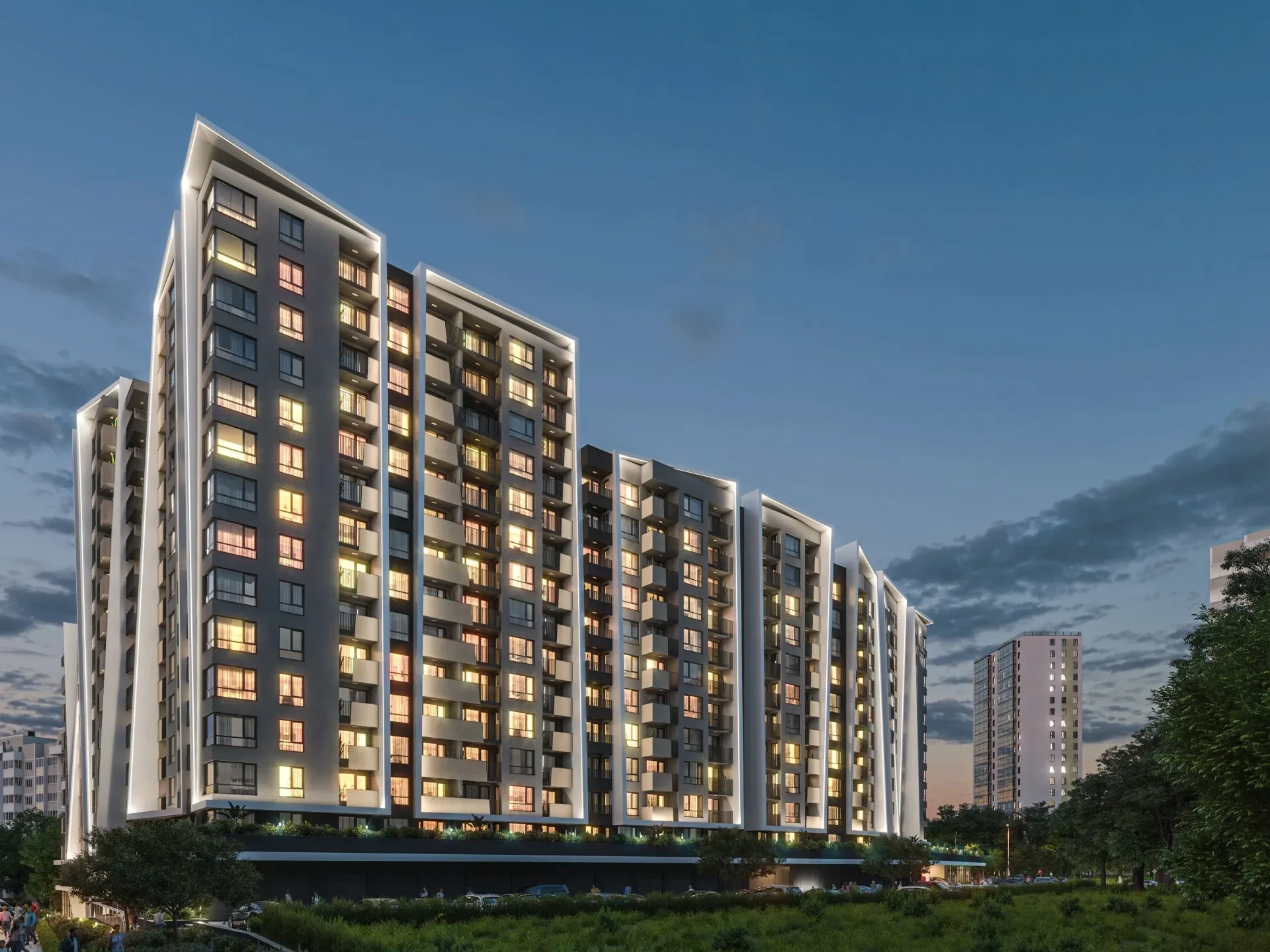
Here is the key point, stated bluntly. In a project like “Pikadili,” the terrace detail is not “tiles plus waterproofing.” It should be a complete system that does not allow salty water to sit, linger, and attack layers and structure over time.
The critical concept is integrated drainage. Not one drain. Not one slope. A system that actually moves water away and prevents it from resting in the most vulnerable locations.
During a viewing, get clear answers to four things:
-
what the terrace slope is and how it is controlled
-
where water goes during heavy rain and strong wind
-
how the threshold and window/door connections are detailed
-
how edges, joints, and railing connections are protected
Risk zone 3: building systems and technical elements
This is the zone buyers underestimate—and later pay for in the most annoying ways.
Outdoor AC units and the metal components around them can age faster near the sea, because salty air and wind attack fins and exposed parts. That is why AC niches are not just an aesthetic feature. They are protection.
A strong, practical argument looks like this. When a project provides protected niches and a service-friendly layout, it does more than keep the facade clean. It shields expensive equipment from direct salty exposure and can meaningfully extend the working life of outdoor units and reduce the frequency of repairs and replacements.
The same logic applies to:
-
brackets, supports, fasteners
-
exposed mechanical elements
-
small metal parts that often become the first “victims” of corrosion
Quality coastal construction thinks about service access at design stage. Poor construction makes the owner discover it later.
How to read a project specification like a buyer
A specification is where the truth sits—without interior finishes and without emotion.
Focus on five types of detail:
-
What materials are specified for exposed metal elements—and why they are suitable for a coastal environment
-
How metal-to-facade connections are handled to prevent stains and corrosion marks on the wall
-
How water paths are managed on the facade under wind-driven rain
-
How terraces are described as a system, including integrated drainage
-
What the ventilation and moisture-control logic is, because coastal comfort is not just temperature
And here is a practical buyer advantage to state clearly. Choosing new construction directly from a developer in Burgas often gives you easier access to full technical documentation, clearer transparency on materials, and a direct responsibility line for the choices made.
Moisture and comfort: ventilation, heating, and cooling in a coastal city
Moisture and mold are not “bad luck.” They are a result of three factors:
-
indoor humidity
-
colder surfaces
-
weak air exchange
In a coastal city, comfort is not only about degrees. Humidity drives the feeling of “heavy air” and can create condensation risks if details and ventilation are weak.
Check the logic for:
-
steady air exchange, not only opening windows
-
condensation risks around terraces and structural edges
-
a system that keeps the apartment dry and stable during shoulder seasons
When these things are engineered correctly, the apartment feels dry, light, and consistent. When they are not, problems start with stains and smells and end with repairs.
Eight questions to ask in a meeting with the developer
-
How was the facade’s wind resistance and joint performance designed for Burgas weather events and gust loads
-
What exact materials are used for railings, fasteners, and exposed metal elements, and why they are appropriate for salt exposure
-
How are metal-to-facade connections detailed so you don’t get brown streaks and staining on the wall
-
How is the terrace built as a system, including integrated drainage, slopes, and threshold detailing
-
How are cold spots and condensation risks controlled at key junctions
-
What is the ventilation and moisture-control strategy for the entire apartment
-
How are outdoor AC units protected and how is service access planned
-
What is normal aging over 5–10 years, and which signs indicate a real problem rather than cosmetic wear
These questions should be direct. The sea does not reward vague answers.
A realistic Burgas scenario: “rust tears” on the facade
A buyer chooses an apartment with impressive metal railings. Everything shines at the viewing. The facade is clean, the details look premium.
After two winters in Burgas, salty aerosols begin to work on weak points. Brown streaks appear under railings and around connections. This is not cosmetic. It is a signal that the material choice or detailing was not suitable for a coastal environment.
Fixing it is rarely a simple paint job. It often requires access solutions, sometimes scaffolding, treatment, and in some cases replacement of elements. The hardest part is usually organizational: the owners’ association must agree who pays and when.
The lesson is clear. You verify materials and detailing before signing—not after the problem becomes shared, slow, and expensive.
A short glossary in plain language
Corrosion resistance
How long exposed details withstand salt and moisture without staining and costly maintenance.
Salt aerosols
Fine salt particles in the air that settle on facades and metals and accelerate corrosion.
Integrated drainage
A terrace is designed so water cannot pool and has a controlled path away from vulnerable layers.
Thermal bridge
A spot that cools down more easily and can create condensation risk.
Air exchange
Steady renewal of indoor air that helps control humidity.
AC niches
Protection and service logic, not just visual order.
Investment logic: why the right materials protect resale value
With property investment in Burgas, materials and detailing directly affect liquidity—not because buyers are engineers, but because problems show.
A building that ages cleanly looks “new” for longer. That supports price. A building that develops stains, terrace issues, and fast-aging technical elements creates doubt and weighs on resale.
Real-world coastal experience consistently shows that these measures save owners meaningful maintenance costs early, because they prevent problems that are slow and expensive to fix once they surface.
Final criteria when you decide to buy a central Burgas apartment
Think in three layers.
Layer one: the envelope
Facade, joints, exposed metal details, and a clear water-and-wind logic.
Layer two: terraces
Slopes, layers, integrated drainage, and correct connections to windows and railings.
Layer three: air and service
Ventilation and moisture control, plus protection and service access for outdoor units and exposed technical elements.
When these layers work as one system, new construction in Burgas is an asset with durable value—not a promise that fades under coastal stress.
Closing argument
In a project like “Pikadili,” these details should not be theoretical—they should be embedded in the specification from the earliest design stage. Choosing an apartment here means investing in engineered security you will appreciate after 5, 10, and 20 years, exactly when mass-market shortcuts become the most expensive.