 bg
bg
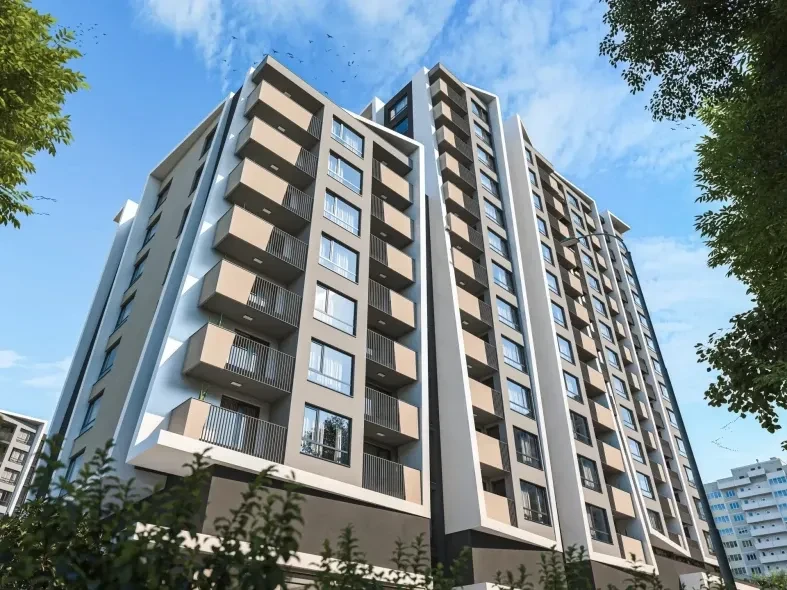
This article explains what stands behind a high energy class, why the difference is felt most strongly during the summer by the sea, and how to read the real running cost before buying. The numbers depend on orientation, floor level and the habits of the residents, but the logic is simple: good construction lowers the bill without sacrificing comfort.
What Class A Means for Monthly Bills
A high class means lower consumption at the same comfort level. The energy class shows how much energy a building needs in order to maintain a normal indoor temperature. Class A is among the stronger levels and means that the home loses less heat in winter and less cool air in summer. For the buyer, this becomes a lower electricity and heating bill without giving up everyday comfort.
Energy class in brief
An energy class is an assessment of the building’s energy consumption, calculated during the design stage and confirmed with a certificate. The scale runs from the most efficient to the least efficient levels. The higher the class, the less energy is required for heating and cooling per square metre. New-build construction in Burgas is designed according to current requirements, where high efficiency is no longer an extra but an expected standard.
Why the Difference Is Most Visible in Summer
In winter, the difference is felt in heating, but in Burgas it stands out most clearly in cooling during the summer. When the outside temperature is above thirty degrees with high humidity, the air conditioner in a poorly insulated apartment can run almost continuously. In a Class A building, the same coolness is kept with shorter cooling cycles because heat penetrates the walls and windows more slowly. The result is a noticeably lower summer bill at the same indoor temperature.
Summer in Burgas and the cooling load
The coastal climate places a different load on a home than an inland city. Burgas combines high summer temperatures, humid air and strong sun, which makes cooling one of the main energy expenses in the warm months. That is why energy efficiency in new-build projects here should be read first through the question of how easily the home keeps cool air inside, not only through winter heating performance.
Humidity, salt and their impact on the building
The proximity to the sea brings humid and salty air, which puts more pressure on the facade and the window systems than in a continental city. Quality materials and a correctly executed facade preserve their insulating properties for years, while weaker solutions age faster and allow more heat to pass through. For the wider context of how the climate affects material selection, see the guide on coastal climate and facade materials.
Orientation and shading
Orientation determines how much sun enters the apartment during the summer. South- and west-facing rooms heat up most strongly in the afternoon, which is why a well-designed building plans shading, quality glazing and sometimes external elements that stop direct sunlight. An apartment with a well-considered orientation spends less on cooling because it does not turn into a greenhouse during the hottest hours. This detail is not obvious in a listing, but it is felt in the bill.
Which Elements Make the Building Efficient
Efficiency is the result of several decisions, not one. A strong class comes from the combination of insulation, windows and ventilation working together. A weak point in any of them can reduce the overall result, which is why good projects balance all three.
Thermal insulation and thermal bridges
Thermal insulation is the first barrier against heat. Sufficient thickness and correct installation across the whole building envelope slow the transfer of heat inside during summer and outside during winter. A thermal bridge is a point where the insulation is interrupted, for example at a balcony or corner, and heat passes through more easily. Quality construction reduces thermal bridges to a minimum because they are a frequent cause of condensation, moisture and higher energy costs.
Windows and glazing
Windows are the most vulnerable part of the building envelope. A quality profile and multi-layer glazing reduce both heat loss and the penetration of summer heat. In a coastal climate, good windows also protect from noise and salty air. The difference between cheap and good glazing is visible directly in the air-conditioning bill because weak windows let the cool air escape continuously.
Ventilation and fresh air
Good insulation makes the apartment tighter, so controlled ventilation is important for fresh air and for preventing moisture. Solutions that bring in fresh air without losing coolness support both a healthy indoor environment and low consumption. Without thoughtful ventilation, a tight building traps moisture, while poor ventilation wastes energy. The balance between the two is a sign of a serious project.
Heating and Cooling with Lower Consumption
An efficient building allows smaller equipment to do the job. When the envelope holds the temperature, heating and cooling require less power. This lowers the bill and also reduces wear on the equipment because it works in shorter cycles instead of running constantly.
Air conditioning during the hot months
In Burgas, the air conditioner is the main consumer during summer. In a Class A apartment, it maintains the desired temperature with shorter cycles because the cool air does not escape quickly. The same air conditioner in a poorly insulated apartment works almost continuously and builds up cost. That is why the real cost of cooling depends more on the quality of the building than on the model of the air conditioner.
Winter by the sea
Winter in Burgas is milder than inland, but humidity makes the cold feel stronger. Good insulation and good windows keep the heat inside during these months as well, so heating works less. A high-class apartment remains comfortable with lower consumption throughout the year, not only in summer.
Real Bills: What to Expect
Consumption depends on the building and on habits. No exact bill can be promised because it depends on orientation, floor level, number of residents and the way they use the home. But under comparable conditions, a Class A apartment uses noticeably less energy than an older home for the same comfort, and the difference is largest during peak months.
The buyer can ask for an indicative consumption estimate and compare it with their own lifestyle. It is also useful to ask about the quality of execution, because a strong design on paper can fail when construction is careless. The new-build quality guide for Burgas explains which execution details determine whether a building will actually save energy or only look efficient on paper.
Purchase Price Versus Long-Term Running Cost
The calculation does not end at the notary. A higher energy class often means a slightly higher initial price because of better materials and execution. Over time, however, that difference is returned through lower bills, especially when energy becomes more expensive. When the whole period of use is considered, an efficient building often proves more economical than an apparently cheaper but costlier home.
This logic is known as total cost of ownership - the purchase price plus all running costs over the years. A detailed look at Energy Class A/A+ and lower TCO shows how the initial investment in quality pays back through bills and why efficiency is a financial decision, not only an environmental one.
Comparison with an Older Apartment in Burgas
The same coolness, a lower bill
Older panel and brick buildings in Burgas were rarely designed for efficient cooling. Thin or missing insulation, outdated windows and thermal bridges allow heat to enter and cool air to leave. In summer, that means an air conditioner working almost without pause and a bill that grows with every hot day.
In Class A new-build construction, the same comfort is achieved with noticeably lower consumption. The home absorbs heat slowly and releases it slowly, so the air conditioner switches on in shorter cycles. A buyer comparing two offers only by price per square metre misses this difference. It is not in the purchase price, but in the monthly bill over the following years.
The hidden cost of the cheaper home
An apartment with a lower initial price but a weak envelope carries a hidden cost that accumulates quietly. In addition to higher bills, repairs often follow: replacing windows, adding insulation, fighting moisture. When these items are added together, the apparently good deal can become more expensive than the efficient new home. That is why the real comparison should be based on total cost, not on the first number in the listing.
Energy Efficiency and Resale Value
Efficiency is already a selling argument. Buyers increasingly ask about the energy class and expected bills, not only about square metres and layout. A high-class apartment is easier to sell and holds its value better because it brings real savings for the next owner. In a coastal city, where summer cooling weighs on the budget, this argument is especially strong.
The trend becomes stronger as energy prices rise. The more expensive electricity becomes, the more valuable a low-consumption home is. That is why investing in an efficient building is not only about comfort today, but also about a stronger position at a future resale. Efficiency works while you live in the property and when you decide to sell it.
Common Misconceptions About Energy Class
The air conditioner solves everything
A powerful air conditioner does not compensate for a weak building. It simply spends more energy to make up for what the insulation and windows lose. Real savings come from the building envelope, while the equipment only maintains the temperature. That is why investing in a quality building matters more than choosing an expensive air-conditioning unit.
The design class is enough
The energy class is calculated at design stage, but it is achieved only through good execution. Carelessly installed insulation, poorly fitted windows or interrupted details can destroy the result promised on paper. That is why the certificate matters, but so does who builds the building and how well it is executed. The class promises, the execution delivers.
Small Habits That Lower the Bill Even More
The efficient building gives the foundation, habits build on it. Even the best apartment uses more energy when used carelessly. A few simple habits increase the savings the building already provides and keep the summer bill low without sacrificing comfort.
Shading during the hottest hours
Lowered blinds or curtains during the afternoon stop direct sunlight and ease the work of the air conditioner. In an apartment with south or west exposure, this habit makes a visible difference during summer in Burgas. External shading is even more effective because it stops heat before it reaches the glass.
Maintenance of air conditioning and ventilation
Clean filters and regular maintenance allow the air conditioner to work at full efficiency with less electricity. Dusty equipment uses more energy for the same result. The same applies to ventilation: a properly maintained system brings in fresh air without unnecessary losses. Maintenance is a small cost that comes back through lower bills.
A reasonable cooling temperature
Every degree lower on the air conditioner increases consumption. Maintaining a moderate difference from the outside temperature is more economical and healthier than aggressive cooling. In an efficient building, coolness is retained for longer, so the system does not need to work at maximum power to keep the home comfortable.
Why This Matters Specifically in Burgas
The sea makes efficiency more important, not less. It is often assumed that the coastal climate is mild and bills are naturally low, but the long hot summer with high humidity says otherwise. Cooling becomes a major cost for months, while salty air puts pressure on materials. That is why the quality and efficiency of the building pay back most visibly in Burgas.
A buyer planning life by the sea gains most from high-class new-build construction. It combines comfort during the hot months, low bills and resistance to the coastal climate. This is the difference between a home that enjoys summer and one that fights it every day.
Checks Before Buying an Apartment
A few questions reveal the real efficiency. The brochure promises, but the details confirm. Before committing to an apartment in Burgas, go through the points that will shape your future bill:
· The energy class and certificate of the building, not only a verbal promise of efficiency.
· The thickness of the insulation and the type of window system, because they carry the biggest part of the difference in the bill.
· The orientation and shading of the specific apartment in relation to the summer sun.
· The ventilation solution and how the building handles humidity in the coastal climate.
· The quality of execution, because a good project can fail when construction is careless.
These questions make the most sense during a viewing in the building itself, where details can be seen in real life. Exploring the Piccadilly Residence building and the available apartments gives a realistic view of the execution, orientation and level of completion behind the promised efficiency.
In Short: An Efficient Building Pays Back Every Summer
A high energy class is not a brochure label, but a real saving that is felt most clearly during the hot months in Burgas. Good insulation, quality windows and thoughtful ventilation keep the cool air inside with less work from the air conditioner, while the bill stays under control. The coastal climate, with humidity and salt, punishes weak solutions, so material quality and execution are decisive. Over the full period of use, efficient new-build construction is more economical than an apparently cheaper home that can spend significantly more for the same comfort.