 bg
bg
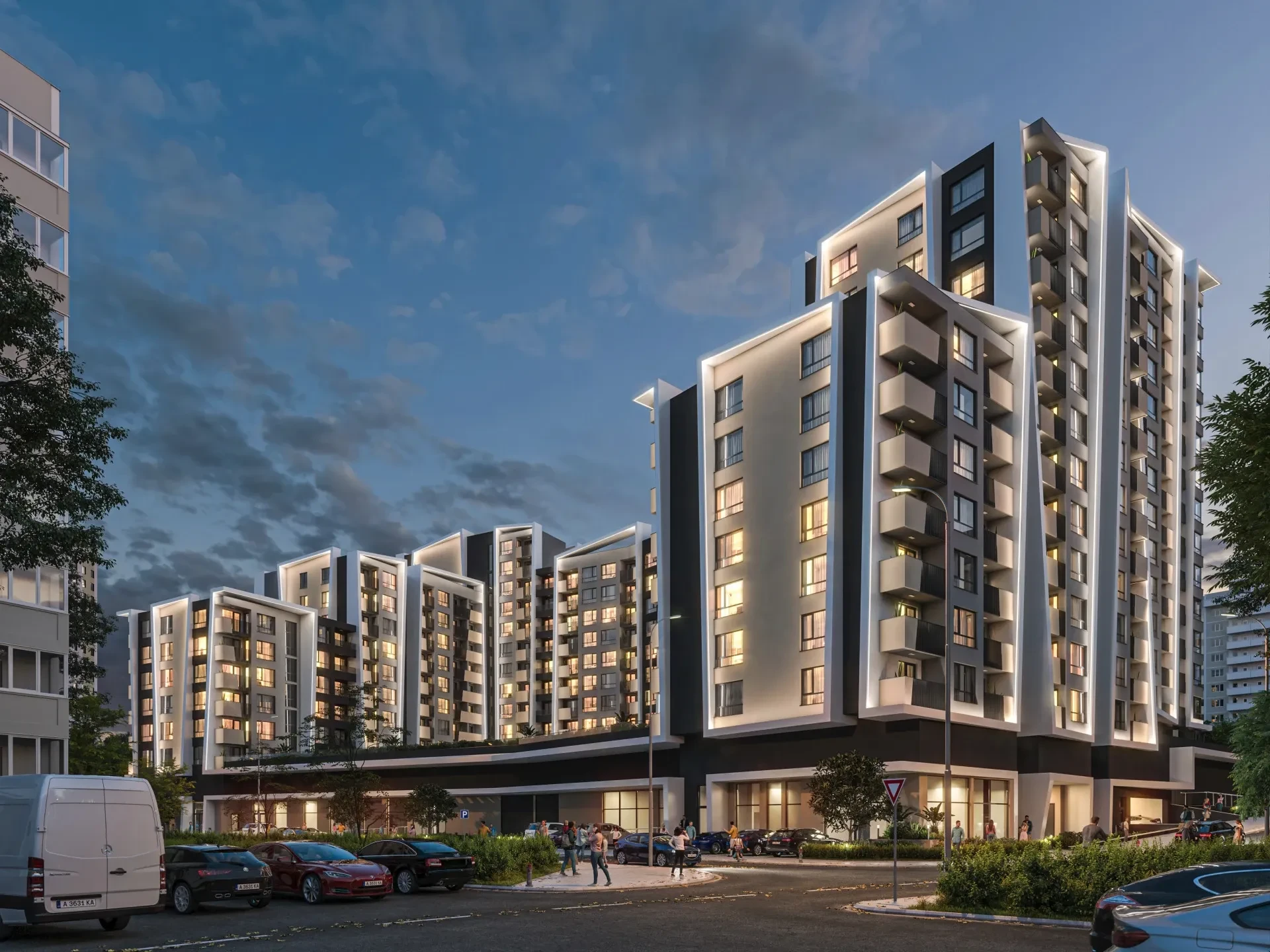
In a development on the scale of Piccadilly Residence, positioned in a dynamic area of Burgas, the security of the underground levels is what defines long term property value. If the underground parking is engineered properly and managed tightly, the building keeps its class and liquidity. If compromises start there, problems travel upward through entrances and land directly in the costs of the homeowners association.
The same line matters across the portfolio logic that TV Property keeps consistent: engineering systems are not a bonus, they are part of the product. They are the reason a property remains desirable years later, not only attractive on the day of purchase.
The Underground Garage Is the Highest Risk Zone in a Modern Building
Underground parking concentrates vehicles, flammable liquids, electrical installations, chargers, batteries, pedestrian movement, and limited exit routes. In an incident, the greatest danger is usually not the flame, but rapid smoke build up and loss of orientation.
You do not need to act like an engineer during a viewing. You need to see whether the garage works as an organized system and whether the safety elements look maintained, not ignored until the first problem.
Checks with real practical value:
• Clear driving routes without tight choke points that can block traffic at peak hours
• Visible organization of zones, entries, exits, markings, and signage
• Fire cabinets, safety signs, and visible readiness for response
• Separated flows for residential entrances, parking movement, and service activities so the underground level does not turn into daily chaos
Smoke Extraction and Ventilation in Underground Parking No Room for Weak Execution
Ventilation in underground parking is not comfort. It is safety. In a real incident, the system must limit smoke spread and buy time for response and evacuation. Cheap execution or poor maintenance shows up fastest here.
Three signals you can spot without specialized knowledge:
• The system has clear visible elements, grilles, shafts, technical rooms with proper marking, not a random looking solution
• The underground level does not feel stale, it is not damp, and it does not suggest condensation on metal elements
• There is order and rules, corridors and movement zones are not used for storage
Burgas adds a specific context. Humidity and salty air accelerate aging of metal components and electromechanical systems, especially where condensation appears. Over time this becomes a cost if systems are not maintained and if control of shared areas is weak.
Fire Compartments, Doors, and Shafts This Is Where Control Is Won or Lost
Many buildings have the right solutions on paper, then daily habits destroy them through small compromises: propped fire doors, storage left in corridors, cable holes through shafts that are never sealed back, removed door closers. These details stack risk and make evacuation harder.
Things you can check with your own eyes:
• Doors to stairwells close on their own and seal properly
• Signs of repeated propping or damaged closing mechanisms
• Stairwells stay clear of items, boxes, and furniture
• Signage is clear and exit routes are unobstructed
If the project speaks about fire compartments as a standard, that must mean real separation and real discipline of use, not just text in a presentation.
Evacuation, Emergency Lighting, and Backup Power Value That Shows at the First Outage
Building quality becomes obvious at the first power outage, the first storm, the first elevator failure, the first shared area incident. Then you see whether shared areas were designed as a system or just as corridors between apartments.
Emergency lighting must allow people to orient and move without panic. Backup power is the next step. When electricity fails, does the building become dark and chaotic, or do critical systems keep a minimum level of operation. With underground levels, this is not a detail. It is the difference between control and disorder.
What it makes sense to verify:
• Emergency luminaires exist across stairwells and key zones
• Maintenance logic is visible through panels, markings, and testing discipline, not the feeling that nobody checks anything
• Underground levels have adequate lighting and clear exits that do not depend on daylight
Access Control and CCTV in a Mixed Use Building Calm Living or Constant Wear
In a building with mixed use and an active retail component, access control is what separates comfortable living from constant wear of the environment. If deliveries pass through residential entrances, if visitor rules are unclear, if shared areas feel like nobody owns them, the effect appears quickly.
Do not settle for a general promise of security. What matters is who manages the systems, how they are serviced, how incidents are handled, and how random access to residential zones is prevented.
Checks that matter:
• Clear separation of flows for residential entrances and servicing
• Real access control by entrance and toward underground levels
• Shared areas look protected, clean, and orderly, not open for uncontrolled use
Handover of the Apartment and Shared Areas A Practical Viewing Checklist Without Show
When you buy into a new building, the viewing is not only tiles, walls, and windows. Shared areas and the systems behind them are part of the product and part of your future cost.
A practical checklist that works:
• Entrance has real access control and solid doors
• Stairwells are clear and signage is easy to follow
• Emergency lighting looks like a system, not random fixtures
• Fire doors close automatically and are used as intended
• Garage has clear organization, markings, exits, signage, and movement lanes
• Ventilation elements look maintained
• Signs show that shared areas are treated as an asset, not as space without an owner
This is where the engineering to value link is most visible. Maintained systems preserve class, rentability, and liquidity. Neglected systems start degrading value from the shared areas first, then they reach the price of the property itself.
Maintenance Is Half of Safety Fee, Contracts, Accountability
Maintenance fees scare buyers when it is unclear what they cover. In a building with elevators, security systems, garage ventilation, emergency lighting, and active shared areas, maintenance is the price of keeping the building from degrading in quality after a few years.
The key is predictability. Without clear contracts, service schedules, and responsibility, maintenance still gets paid, but in fragments through incidents, disputes, and emergency collections.
What to look for as a logic:
• Clear model of who services each system and how often
• Documented incident response process
• Rules for shared area use and consequences for violations
• A realistic maintenance budget that covers critical systems, not only cleaning
How This Enters the Price, Rent, and Future Resale
In a large building with multiple entrances, many apartments, and a significant number of parking spaces, shared systems carry constant load. That means two things. Systems must be properly sized and maintained, otherwise issues become routine. Discipline in shared areas becomes decisive because small disorder at scale turns into a major problem.
A buyer who looks only at the interior sees half the picture. The other half is whether the building is built and managed so that safety and security do not depend on luck and casual compromises.
Final criteria stay practical:
• The underground level must be organized, well lit, and maintained
• Fire safety elements must work, not only exist
• Emergency lighting and access control must function as a system
• Management and maintenance must be clear and measurable
That is the framework that protects long term value in Burgas, especially for a development on the scale of Piccadilly Residence, where the underground levels and shared systems are the core of the building.